
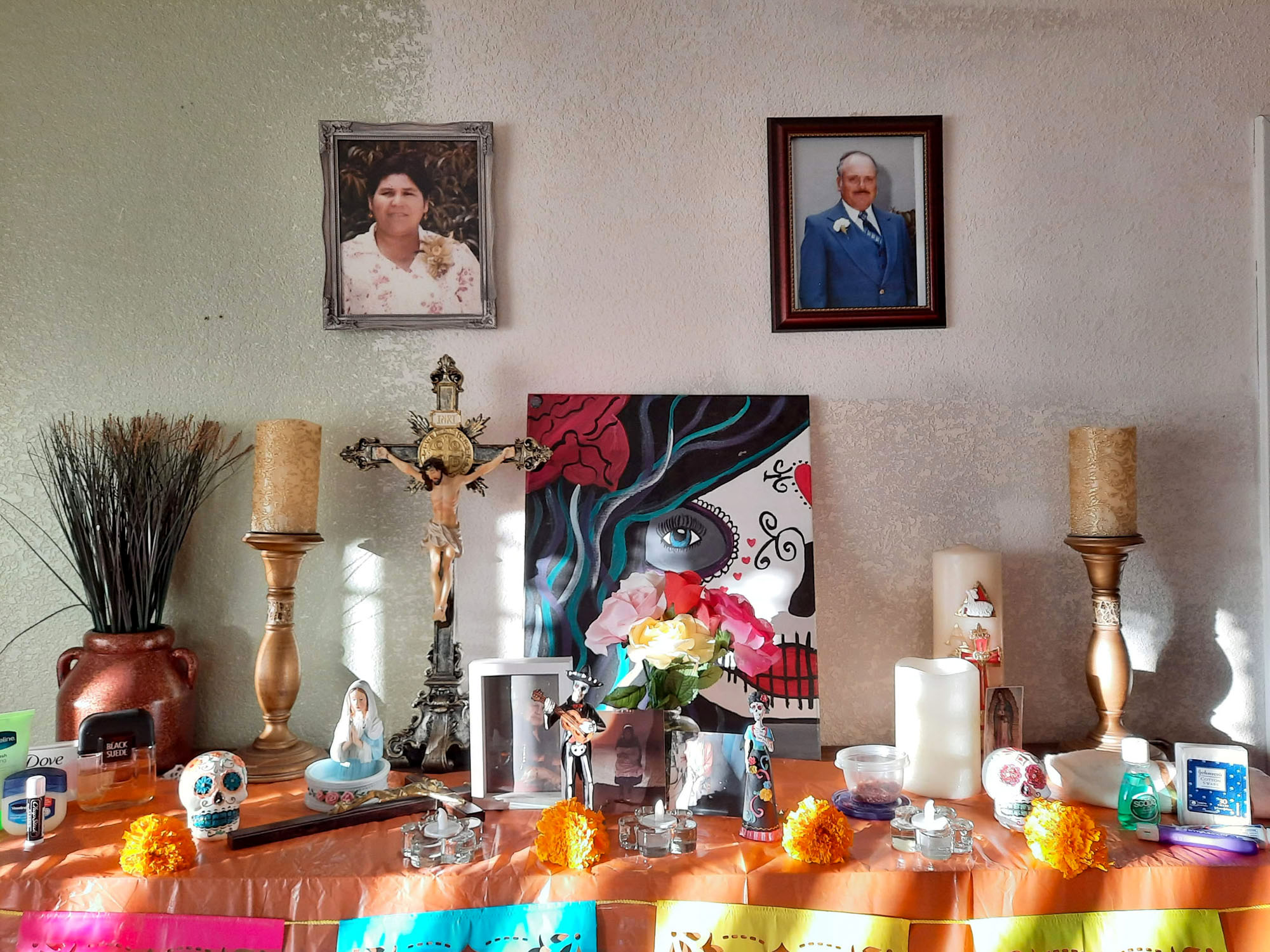
Día de los Muertos: One holiday, many cultures
In recent years, Día de los Muertos and Halloween have been grouped alongside each other, and although the holidays fall a day apart, their meanings and traditions differ. Día de los Muertos is commonly associated with Mexico, as seen in films like “Coco” or “The Book of Life”. While “Coco” offers a beautiful interpretation of the holiday, it didn’t 100% capture the many ways different cultures honor their dead. Take Guatemala, where traditions reflect a unique blend of Indigenous Maya belief and Spanish Catholic influences.
My mom is Guatemalan, and growing up, I learned about my culture and the traditions that distinguished it from my Mexican side of my family. One of the most meaningful differences is how Guatemalans celebrate Día de los Muertos. Rather than ofrendas, sugar skulls and Catrina face paint, Guatemalan traditions center around food, music and colorful kites that honor the lives of those who have passed.
In the towns of Sumpango and Santiago Sacatepéquez, Nov. 1 marks the Festival de Barriletes Gigantes (Festival of Giant Kites). These handmade kites, crafted from bamboo, fabric and tissue paper, can reach up to 60 feet wide. Their intricate designs carry messages to ancestors, tell family stories and raise awareness of environmental issues and peace. The kites are more than decorations; they represent a connection between the living and the dead.
Across Guatemala, families also visit ancestral gravesites to clean, repaint and decorate them with cempasúchil, share traditional foods, play marimba music and exchange stories about loved ones. One essential dish is fiambre, a 40-ingredient cold salad of meats and vegetables prepared for Día de todos los Santos (All Saints’ Day) on Nov. 1 and Día de los Fieles Difuntos (All Souls’ Day) on Nov. 2.
Although traditions vary across Guatemala’s departments, honoring ancestors remains central to the celebration. Death is not necessarily viewed as an ending, but as a continuation of the bond between the living and those who came before them.
Understanding Guatemala’s Día de los Muertos reminds us that no single film or cultural portrayal can represent every tradition. It also reminds us that many countries across the world also celebrate Día de los Muertos. Beyond the familiar images of Mexican celebrations lies a rich diversity of ways to remember, honor and celebrate the dead.


