Opinion: Is our fate decided on the stars?
“What’s your sign?” This is a question we often get asked whether on a first date, while in line for the girl’s bathroom or as an icebreaker in class. In my experience, it usually follows with “But I don’t know much about that zodiac stuff.” Even so, astrology has undeniably woven itself into everyday life and we likely all know what sign our birthday falls under.
There are endless apps to read your horoscope and videos to doom scroll on TikTok and Instagram for answers on how retrogrades affect us and the significance behind eclipses. In a world powered by data, logic and science, why do so many of us still look to the stars for answers?
There’s something undeniably comforting to me about astrology. Even if it’s not scientifically valid, it can be emotionally useful. That’s how I first got into it. I wasn’t always content with what I read about my sign, but reading about how Aquarius’ can be stubborn, emotionally detached and extremely independent individuals prompted me to ask if these claims were true.
The planetary pull
I think the simple answer is pure comfort. The same way we flip a coin for an answer, or shake up a Magic 8 Ball, we are seeking answers to what we want to questions we don’t know how to answer ourselves. Astrology has been around for thousands of years, dating back to ancient Mesopotamia according to Susan Miller, author of “Planets and Possibilities.” Its longevity might say less about the stars and more about us. Life is full of uncertainty — shifting majors, changing relationships and endless “what’s next?” questions. Reading horoscopes or comparing birth charts can feel grounding, a way to make sense of the chaos.
Whether you’re a believer in the stars or not, astrology also gives us something to talk about. You can bond with someone instantly by asking their sign, even if it’s just to jokingly blame their indecisiveness on being a Libra.
The lack of science
Of course, there is skepticism when it comes to relying on stars and planets. Many are convinced that astrology does not deserve any serious attention. People tend to think horoscopes are too vague and some put it off as a simple cosmic coincidence. Science has repeatedly debunked the idea that positions of stars influence our personalities or fate. Here’s the thing — astrology is not a science, but a pseudoscience. This means that there is no actual scientific proof that backs astrology.
Skeptics may argue that treating astrology as truth can be harmful, especially if people let it dictate real decisions. “I can’t date Sagittarius’ because they can’t settle down” might be funny or even relatable to some, but using zodiac stereotypes to judge people (or yourself) can box you in more than it frees you.
Astrology isn’t always about predicting the future, but about giving shape to the present. It’s an imaginative structure for introspection and a poetic way to think about who we are and who we want to be.
Is it “real”?
Probably not, but astrology doesn’t have to be a science to be meaningful. Similar to art or music, it offers perspective, not proof. I see it as spiritual guidance. To me, it reflects something fundamentally human — our need to find patterns, stories, and significance in the world around us.
While I do read my birth chart more often than I check my emails, I use it as a simple way to dissect the world and my own impact in it.
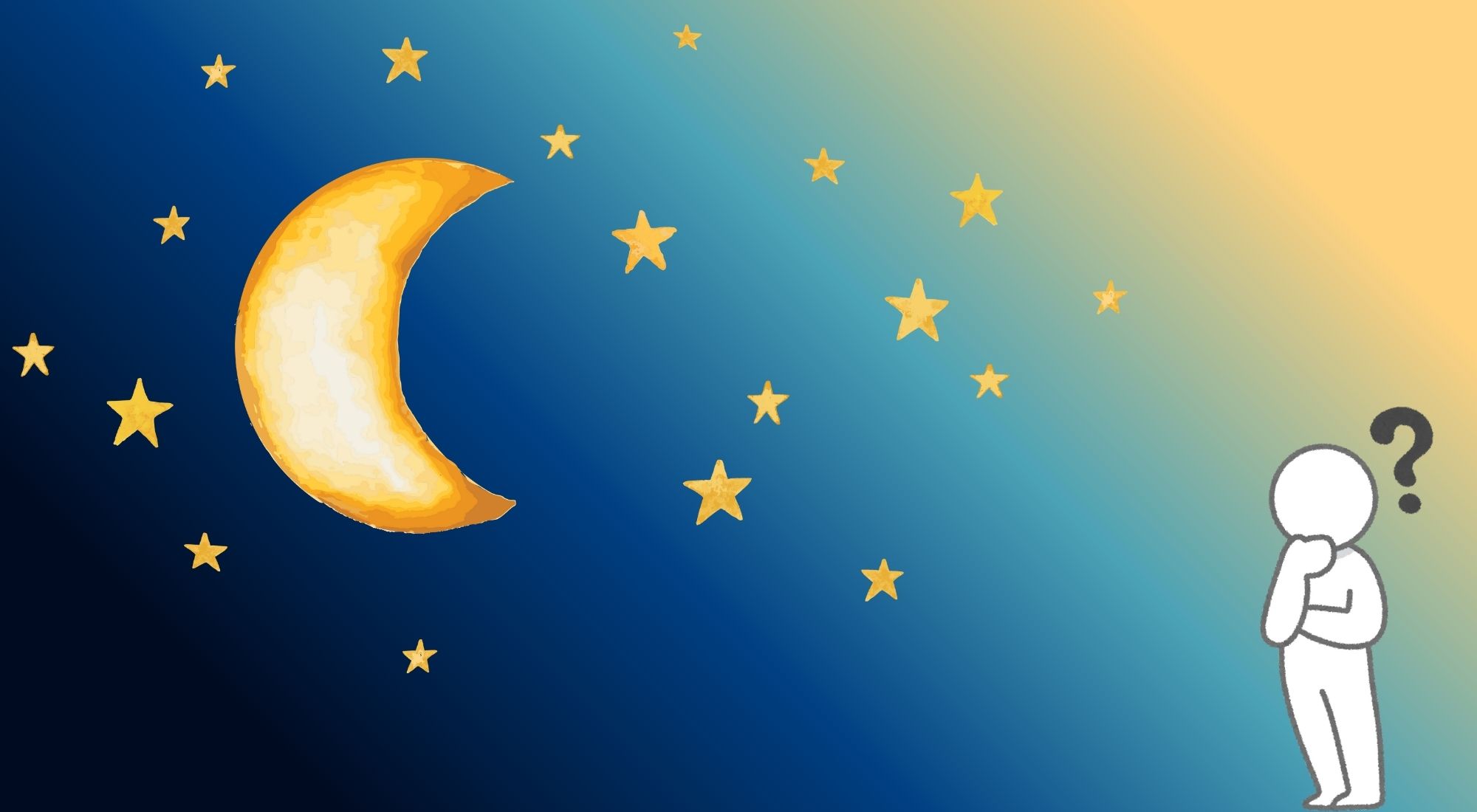
So, the next time you check your horoscope before an exam or blame your bad day on the stars, remember: maybe it’s not about believing, maybe it’s about wondering.