Your hormones, your body, your choice
- Ask questions to weigh the risks and benefits of birth control
- Have an open dialogue with your doctor about your concerns
- Choose a method that fits your lifestyle and daily habits
- Consider asking for a hormone level check before starting birth control
When Nina Tillman was growing up in Oklahoma, birth control was not something openly discussed or easily accessed. At 14, without education or resources, Tillman became pregnant the first time she had sex — an experience that reshaped her life and eventually guided her career path.
Tillman works alongside licensed pharmacists to review medication safety, risks, and appropriate use as part of patient education and consultation at Lima’s Professional Pharmacy in Eureka.
“I didn’t understand my options when I was younger,” Tillman said. “Access and education can change someone’s entire life.”
Today, birth control remains one of the most common and misunderstood health decisions. Tillman said responses to birth control vary widely depending on health history, genetics and lifestyle.
“Like any medication, hormonal birth control has potential risks — such as blood clots, stroke, or changes in cancer risk — but for many people the benefits outweigh these risks when chosen appropriately.” Tillman said. “Understanding your baseline health before starting birth control can help you and your provider monitor any changes over time.”
Below are common birth control methods and Tillman’s insights on what to consider:
The pill
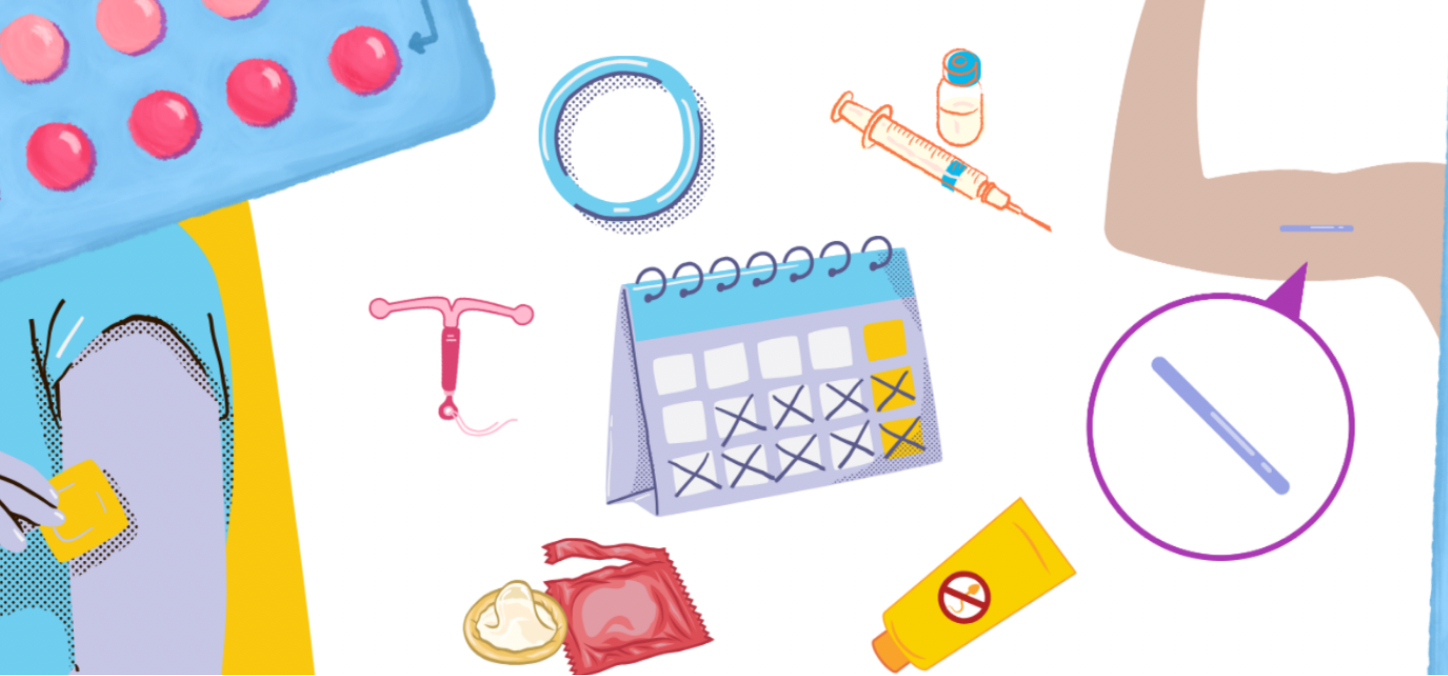
Oral contraceptive pills remain a widely used method and can help regulate periods or reduce heavy bleeding, but taking a pill every day can be difficult for some people.
“If you’re not someone who can take a pill consistently, daily pills might not be the right option for birth control,” Tillman said.
Tillman said even though pills are now available over the counter, they can have serious side effects, including changes in mood, skin and blood clotting. Missing doses can also make them less effective.
The shot
The Depo-Provera injection is administered every three months and eliminates the need for daily reminders, making it appealing for busy people.
Tillman said as with most hormone-containing medication, users may experience changes in bleeding patterns, mood or weight.
The patch
The contraceptive patch delivers hormones through the skin and is replaced weekly, but physical factors can affect how well it works.
“Very active women who are sweaty, or curvier women where patches fold, can struggle with them staying in place,” Tillman said. “If your patches are just not doing what they’re supposed to be doing, then your skin might not be viable for that patch.”
“Skin absorption varies from person to person, and sometimes changing patch placement or rotating sites can improve effectiveness.” Tillman added.
The ring
The vaginal ring is inserted into the vagina and replaced every month. By releasing hormones gradually, it’s an option for those who forget to take pills and you do not have to remove it during sex.
According to Planned Parenthood’s Birth Control Choices handout, you may have a slightly greater risk of heart attack, stroke, blood clots or potential rise in blood pressure when using the ring.
The implant
The contraceptive progestin only implant is a small rod inserted into the arm by a medical provider that offers pregnancy prevention for three to five years. Planned Parenthood describes the implant as highly effective, with only about 1 out of 100 people becoming pregnant each year.
Tillman noted some mild side-effects can occur such as irregular bleeding or discomfort after insertion.
Hormonal IUD
Hormonal Intrauterine Devices (IUDs) release progestin within the uterus and can remain effective for three to eight years.
According to Tillman, users may experience temporary cramping and irregular or no bleeding which varies from person to person.
Copper IUD
The copper IUD offers a hormone-free, long-term option but can still produce physical effects.
“IUDs can cause inflammatory action on certain bodies,” Tillman said. “It can cause heavier bleeds and pain during sex. Somebody else’s body might say ‘that’s a foreign object’ and create inflammation.”
Tillman said patients should discuss pain tolerance and menstrual history when considering this method.
Advocating for yourself
“I would love to see this generation doing what previous generations couldn’t — understanding their ovulation, their bodies and their cycles, and teaching young men about menstrual health so we can change the narrative that periods are ‘gross’and something to be ashamed of,” Tillman said.
Talking to your doctor is important, such as discussing whether baseline hormone or thyroid testing may be appropriate. Tillman encourages also talking about mental health, chronic conditions, activity levels and lifestyle demands that can be impacted by these methods.
“No birth control is perfect,” Tillman said. “But when you understand your body and your options, you can find what works best for you.”
Lima’s Compounding Pharmacy hosts a virtual Women’s Table Talk roundtable on the last Friday of each month, where anyone can hop on Zoom to ask questions about hormones, birth control options, emotional wellness, and more. To get the Zoom links and stay updated on upcoming topics, follow Lima’s Compounding Pharmacy on Facebook and Instagram.