Health Talk with Jessica: Beyond the bedroom: Breaking the silence on sex therapy
Behind closed doors, we whisper about orgasms, masturbation, boundaries, and shame, unsure of where to turn. Sex therapy offers a radical yet simple solution: a safe space to talk.
What sex therapy really is
Dr. Laurie Mintz, AASECT-certified sex therapist, emeritus professor of psychology at the University of Florida, explained what sex therapy involves.
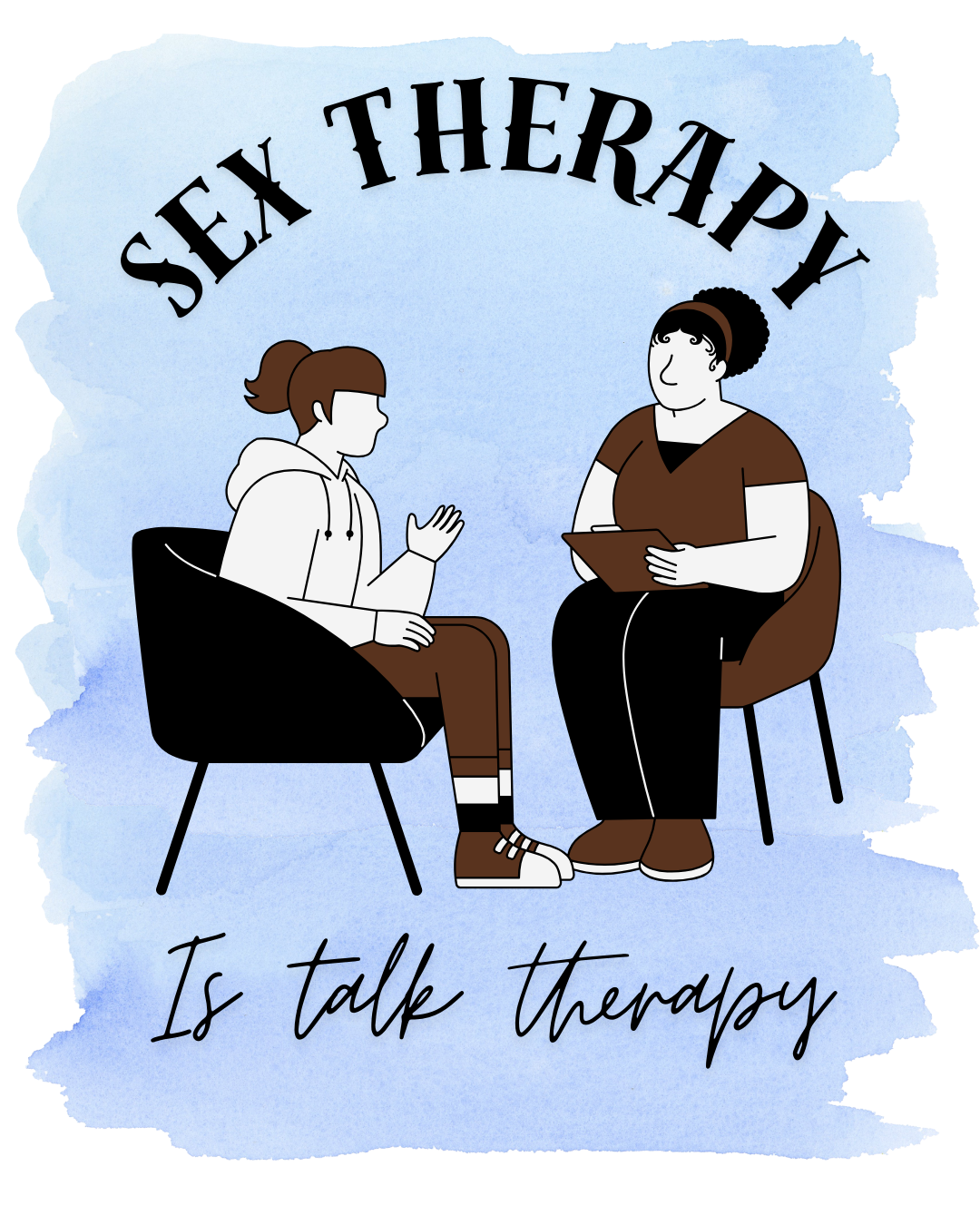
“There’s a myth that sex therapy is fundamentally different from regular therapy, but it’s really just a specialty within therapy,” Mintz said. “An even worse misconception is that your therapist will have sex with you or watch you have sex. That’s obviously unethical, but some people still believe it.”
Mintz highlights the crucial link between sexual satisfaction and overall mental well-being.
“People who are happy in their sex life are generally happier overall,” Mintz said. “When sex is going well, it often doesn’t occupy much of our mental space. But research shows that when sex isn’t going well, it becomes troubling and negatively impacts people’s lives. Sex therapy can help not only with sexual issues but also with overall well-being and relationship satisfaction.”
Who can benefit
Cassandra E. Rustvold, an AASECT-certified sex therapist and Somatic Experiencing Practitioner in Humboldt County, describes who might benefit from sex therapy.
“Sex therapy benefits people exploring orientation or gender identity, those with desire or trauma challenges, and couples navigating infidelity or polyamory,” Rustvold said. “Sexuality is broader than acts — it’s about how we experience and express ourselves.”
Rustvold explained how sex therapy helps students address complex sexual issues and explore their boundaries in a supportive, non-judgmental environment.
“Working with someone trained in sex therapy can help students form unique sexual boundaries and desires while navigating the taboo and misunderstood nature of sex,” Rustvold said.
Bringing the conversation to campus
With her belief that human sexuality is a vital topic, Rustvold is bringing this perspective into the classroom. Next spring, she will teach a Human Sexuality course at College of the Redwoods and plans to offer similar classes at Cal Poly Humboldt in the near future.
CPH senior and aspiring sex therapist, Stephanie Murillo, is bringing the conversation directly to students. As a Critical Race, Gender and Sexuality Studies major, Murillo said she is driven to create spaces where people can claim their own bodies.
“Pleasure is a human right and we all deserve to allow joy into our lives without the fear of judgment or shame,” Murillo said.
During her summer research in Guanajuato, Mexico, Murillo conducted sexual health research interviewing women under the guidance of Professor Monica Elivier Sánchez González at the Universidad de Guanajuato.
“I found that sexual education is often replaced by overmedication, sometimes to prevent pregnancy after sexual violence,” Murillo said. “Many women lacked the language to describe their pain, and decisions about their bodies were made by others.”
Murillo added that the experience “lit a fire” under her to pursue sex therapy and education on campus as a way to fight structural violence and empower students to advocate for their own pleasure and sexual health.
“This is a sex-positive campus,” Murillo said. “A sex therapist could help students navigate sexual health concerns linked to medication, discuss identity and boundaries and heal from trauma.”
Building on the importance of addressing sexual health, Mintz emphasized the need for specialized support on college campuses.
“I believe college counseling centers should employ therapists who are comfortable, skilled and experienced in treating sexual issues,” Mintz said.
Needing sex therapy shouldn’t be a secret — take the conversation outside the bedroom, break the silence, and start the discussion that’s been waiting too long to happen.
“Pleasure is resistance,”Murillo said. “Helping people reclaim it dismantles systems of oppression.”
Resources
Rustvold’s practice is at capacity but reserves pro bono and sliding-scale spots for BIPOC and LGBTQ+ clients. Details at www.CassandraRustvold.com.
Mintz advises students to seek sexual health information from trusted sources, warning against misinformation on social media. For reliable guidance, follow her on Instagram @DrLaurieMintz.