Volunteer group organizes immigration response efforts amid ICE concerns
A group of Cal Poly Humboldt students, faculty and staff have begun meeting regularly to prepare for the possibility of Immigration and Customs Enforcement (ICE) activity on campus. In these meetings, they organize resources and support systems for at-risk community members and students.
The group, which the university does not officially sanction, formed at the beginning of the fall 2025 semester after members witnessed an increase in ICE raids across California, particularly in Los Angeles. Since then, participants have met weekly to discuss concerns, share resources and develop strategies to support undocumented students and other at-risk individuals.
Roberto Mónico, one of the organizers, said the effort began as a response to both personal experiences and a perceived lack of university support and action.
“Personally, I was in Los Angeles that summer, and I saw a lot of terrible things that were happening between the targeted communities and border patrol and ICE agents,” Mónico said.
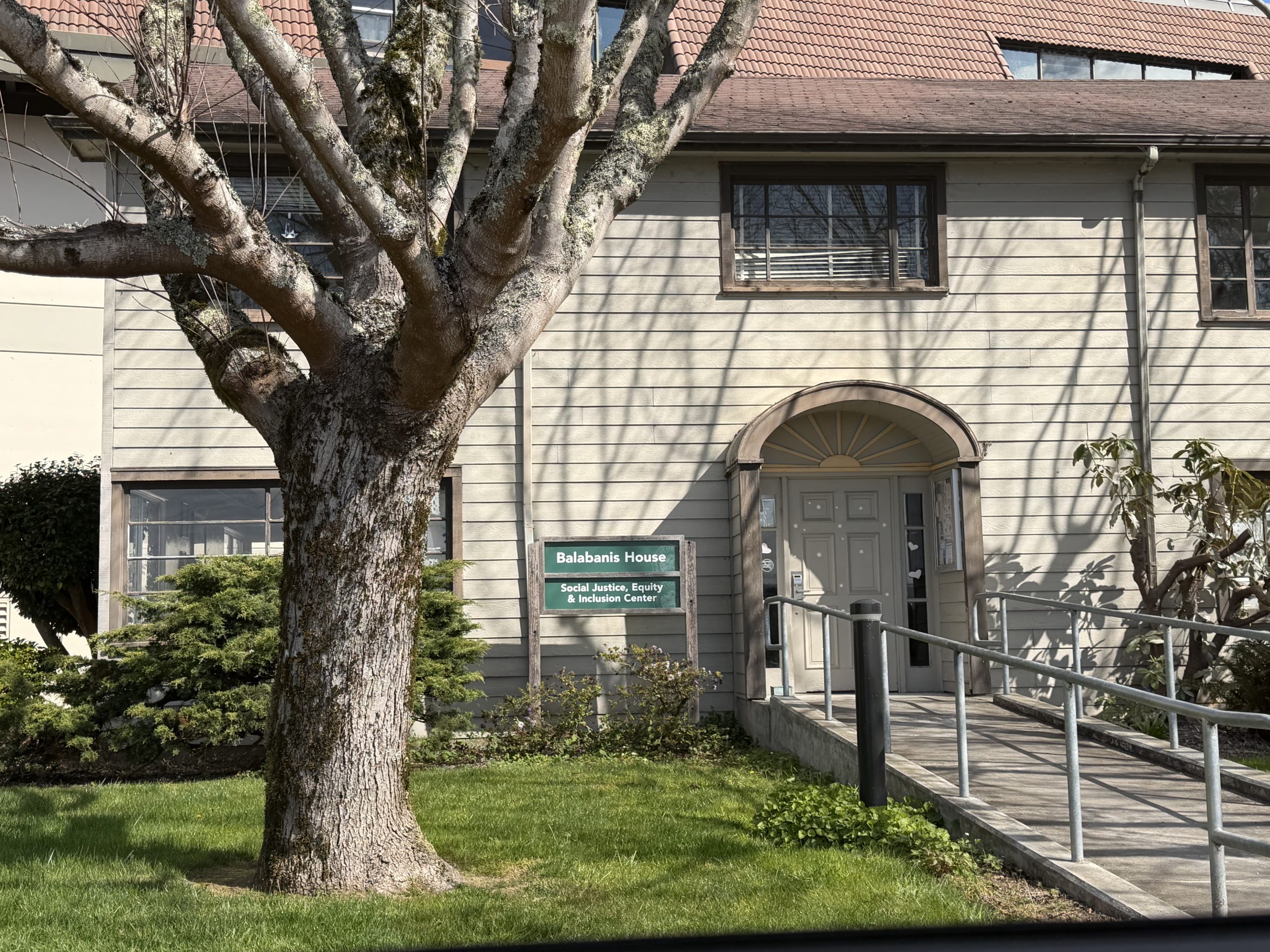
After returning to Humboldt, Mónico reached out to colleagues, including fellow faculty member Brenda Perez, to create a space where community members could come together. The group now meets every Wednesday at 2 p.m. at the Balabanis House and is open to students, faculty and staff seeking information or support.
“We wanted to get involved to let the people know that we are here to support them,” Mónico said.
The group is working to compile concerns gathered from the campus community into a report that will be submitted to the university administration. The report aims to outline gaps in current resources and propose solutions, such as access to legal support or emergency funds for those affected by immigration enforcement. Currently, the group operates without funding and relies entirely on volunteer efforts.
“We don’t have any funding. We are just trying to fill roles in case there was that sort of action on campus,” Mónico said.
Members are also coordinating with existing campus and community groups, including Centro del Pueblo’s rapid response team, which assists in the event of ICE activity. If there were ICE presence on campus, designated individuals would verify warrants and help them determine the appropriate response.
Cinthya Ammerman Muñoz, an assistant The Balabanis House on campus where the group holds their meetings. Photo by Noelle Doblado professor in the Department of Native American Studies, said the group formed out of a shared sense of urgency among faculty who felt the university had not done enough beyond sending informational emails.
“We felt urgent to organize and protect the students and our community, in the absence of administration,” Ammerman Muñoz said.
The group has been learning from similar efforts at other universities and recently connected with the College of the Redwoods to explore additional resources.
“Whatever we can organize will be informal and will not be adopted by the university, which is why that report is so important,” Ammerman Muñoz said. “We are hoping to push admin into action and show them that this can be done, other universities have done it too.”
Organizers emphasized that the group is not intended to replace institutional responsibility, but rather to advocate for stronger protections and clearer communication from the university. For now, organizers hope to increase student involvement and continue building a network of support.
“Admin should be doing this work,” Ammerman Muñoz