New youth crisis center set to open in Humboldt County
After years of planning and delays, a new youth crisis center in Humboldt County is moving forward.
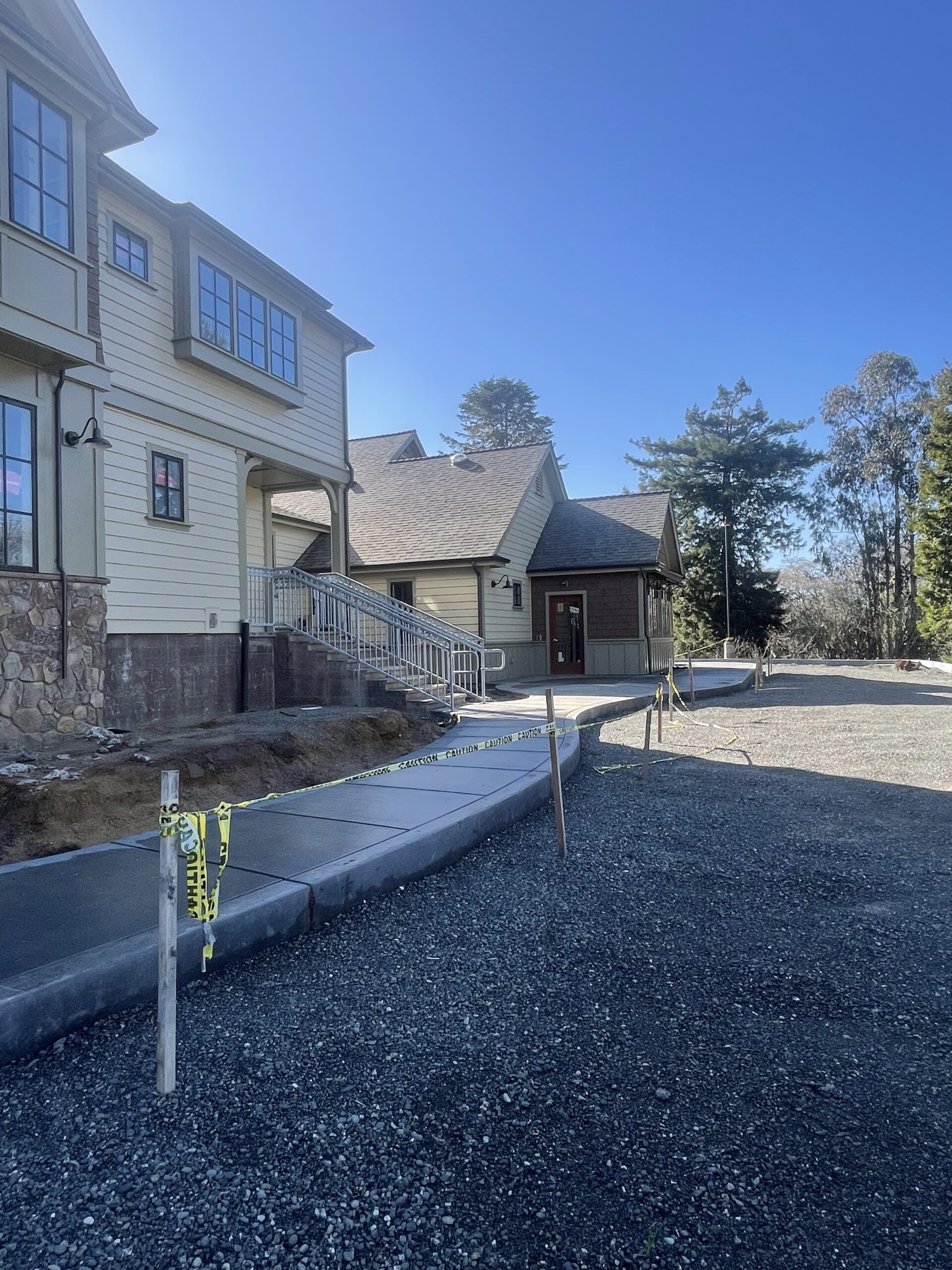
Sorrel Leaf Healing Center, a 12-bed residential facility for youth experiencing a severe mental health crisis, is now back under construction after receiving long-awaited state funding in February. Work resumed in early April, according to Executive Director Shireen Varga.
“We are targeting a fall opening,” Varga said. “However, due to licensing delays, we are at the mercy of Community Care Licensing and their constantly changing interim standards as well as construction delays. If we cannot receive licensing approval in time, we may need to look at the end of the year or the beginning of 2027.”
The center aims to fill a critical gap in care for youth ages 7 to 17 experiencing mental health crises. It will offer three programs: a mobile crisis response team, a short-term residential stay averaging two to 10 days and a longer-term aftercrisis care program lasting up to six months.
In Humboldt County, the juvenile arrest rate rose from 3.9 to 4.9 arrests per 1,000 youth ages 0 to 17 from 2023 to 2024, higher than the California rate of 3.8 and among the worst in the state, according to Live Well Humboldt.
As a children’s crisis residential program, Sorrel Leaf will be reimbursed through Medi-Cal at rates that cover only a portion of actual costs. Varga said counties typically reimburse about 65% of the state-established rate, while the center’s daily operating costs are significantly higher.
“To put it into perspective, one hour of outpatient therapy is reimbursed at nearly the same rate as 24 hours of residential care,” Varga said. “That creates a major challenge in staying operational beyond the first year.”
The center is working with multiple counties to establish referral partnerships and is also advocating for policy changes at the state level to address funding gaps.
Sorrel Leaf is designed to be different from traditional clinical settings. Built on 13 acres, the site will function as a therapeutic, land-based environment. Youth will have access to activities such as art, music, gardening and outdoor work, alongside individual and group therapy. The goal is to create a space that feels more like a home than a hospital.
“We’re not fixing anyone,” Varga said. “We’re helping young people discover the tools they already have.”
The center, located on occupied territory of the Wiyot peoples, works closely with a cultural council made up of community members and tribal representatives. Among them is board member Bruce Kaye, a longtime substance abuse counselor and cultural consultant with experience across Northern California tribal communities.
“A sense of belonging, a sense of mastery, a sense of independence and a sense of generosity, those are the foundations when working with young people,” Kaye said. “Without that first sense of belonging, the rest becomes much harder.”
That philosophy is reflected throughout the program, from shared meals to group activities to the design of the space itself. Sorrel Leaf leaders say community support will be essential as they move toward opening day.
While construction continues and the timeline remains fluid, the progress marks a long-awaited step toward addressing youth mental health needs close to home.
“This is something that hasn’t really been done before,” Varga said. “We’re trying to bridge gaps in a system that isn’t perfect.”
—————————————–
Sorrel Leaf is planning an opening gala in September and will host a public ribbon-cutting ahead of its launch. Community members can support the efforts by attending these events, donating needed items or contributing financially through the organization’s website:https://www.sorrelleaf.org/donate
Did you know?
988lifeline.org
If you’re having thoughts of suicide or experiencing a mental health crisis, you can call 988 to reach The National Suicide & Crisis Lifeline. Support is available 24/7 in English and Spanish, and you can connect by call, text, or online chat.