“Wicked: For Good” is wickedly political
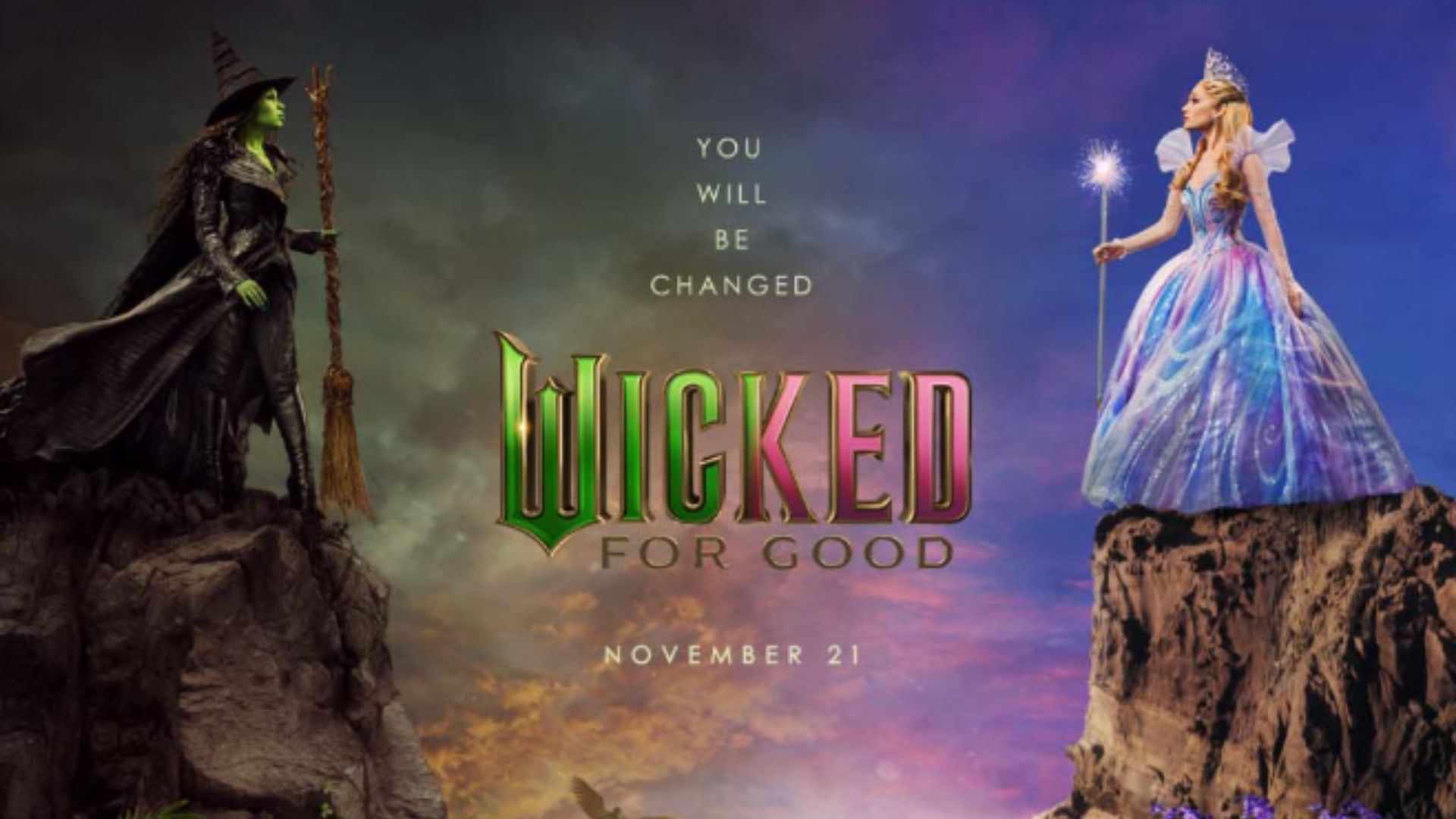
Photo from the official Wicked movie website
“Wicked: For Good” featuring Cynthia Erivo and Ariana Grande is a continuation of the film released last November. To be frank I was never a huge musical fan, nor did I really know what to expect with the cult favorite, Wicked. Wicked part one was amazing and was filled with many political allegories that are relevant to today’s political climate. I was bummed to find out I had to wait a whole year for part two but nonetheless, I marked my calendar and soon enough Nov. 21 finally arrived.
The film follows Glinda and Elphaba’s journey after they uncover the truth about the Wizard’s abilities. Both girls had dreamed of working alongside the Wizard, but once discovering the truth about his involvement in the displacement and discrimination of the animals in Oz, they both followed different paths.
In part one, we learn that the wizard is a fascist and a fraud. He pushes corruption, advocates for the subjugation of people, and uses language and propaganda to create fear and maintain power in a way very similar to our current President. Wicked is extremely political and discusses important issues in a digestible way for people to understand.
Glinda comes from generational wealth and has lived a very sheltered life. Although she understood and believed that what was happening to the animals wasn’t right, she was willing to conform instead of working to change the system she benefitted from. While the animals continue to be kept in cages and stripped from their rights, Glinda practiced small acts of resistance, although it still came at the expense of others. Glinda chooses to stay and work within the system emphasizing the notion of how although many people want change, they don’t do anything to fight for that change. Glinda would rather be perceived as “good” than actually do good.
Ephaba’s the polar opposite, she’s an abolitionist, she completely rejects the system and fights for equality by denouncing and working to abolish the system as a whole. Throughout her life, Elphaba has faced constant discrimination because of her green skin. Throughout both films she is othered even from her own family due to her appearance. When she rebelled against the Wizard, language and propaganda was used to make her look evil and dehumanized. Elphaba’s approach was intersectional, understanding that no one is free until all are free. If one group can be oppressed, so can all. Elphaba believed in equality for at the expense of none, understanding that even if everyone hated her, she was willing to endure that for the greater good.
Throughout the movie we see different forms of resistance and activism throughout Oz, and what it truly means to be good. This movie is bigger than just Glinda the popular and Elphaba the outcast, working out their differences and becoming friends. This film demonstrates the power of language, propaganda and mirrors today’s world. It demonstrates how we become reflections of loved ones, and learn from one another.
This film, although fast paced at times, leaves the viewer with the question, is goodness built off your ability to conform to societal standards, or on your desire to create positive change?