‘Heated Rivalry’: Representation in queer media
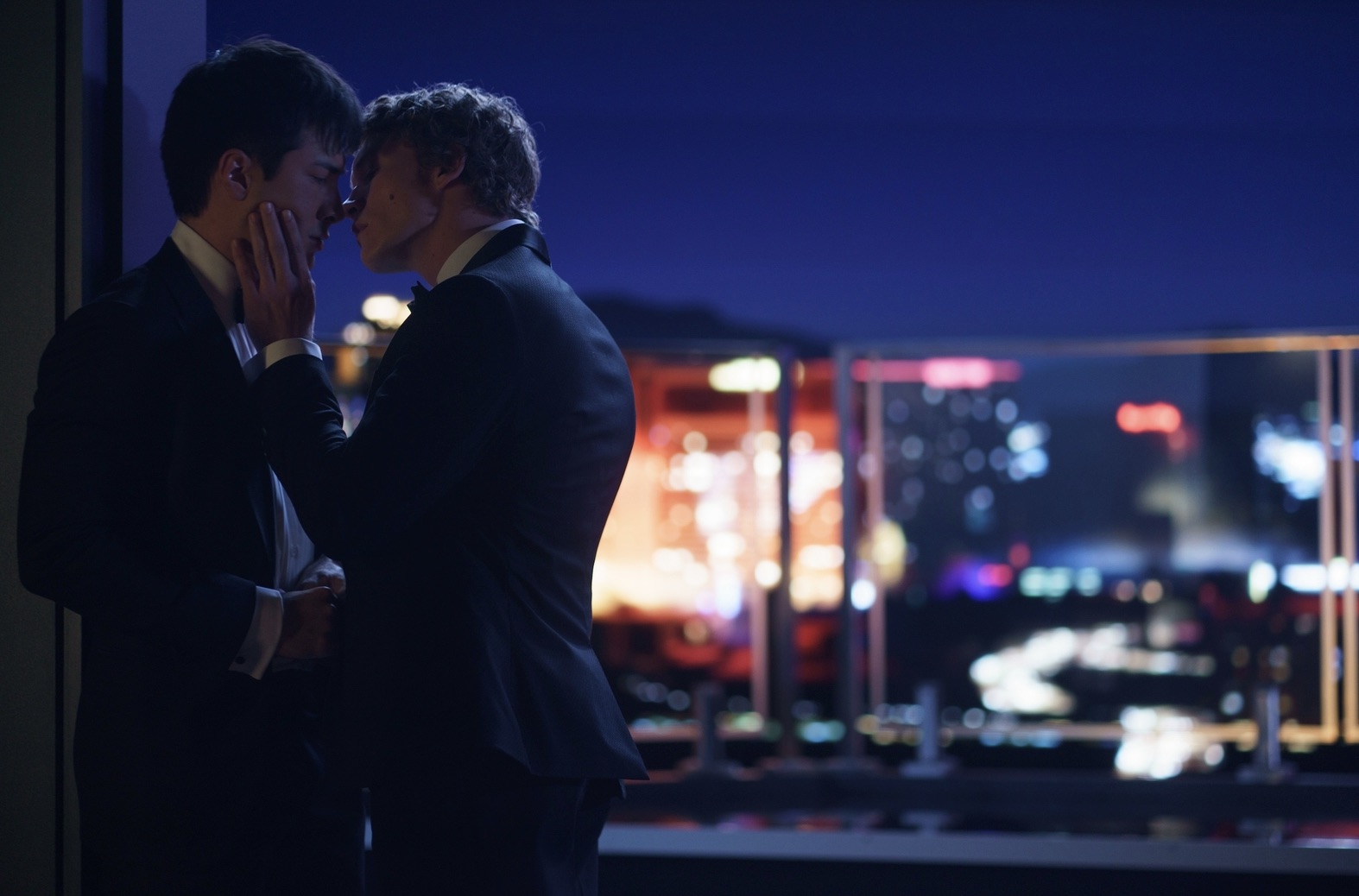
Recently “Heated Rivalry” has rocked the romance scene. In just one month, “Heat ed Rivalry” reached the number one show on HBO Max within its first two episodes. While the show attracts a wide audience, it has a primarily women-led viewership.
The show has been praised, not only for its steamy romance but for how it avoids focusing on the queer tragedy stereotypes. Instead, the story highlights the chemistry between its two main characters, rivals Shane Hollander and Ilya Rozanov, as they compete in the National Hockey League. This is important because sports media has historically erased gay men. Jacob Tierney a gay director, producer, and writer for “Heated Rivalry” challenges toxic masculinity, locker room silence and stereo types surrounding queer athletes.
One scene that stands out to me is when Shane and Ilya are standing in their separate locker rooms texting each other. There is an obvious difference between them and the other men in the room, a separation that re flects the silence and isolation queer players often feel in these spaces. This moment qui etly captures how queerness exists in these environments while still being hidden.
What the show does especially well is portray the emotional vulnerability between male athletes and normalizes queer desire without tragedy. This is important as many queer films rely on suffering to justify their stories. Even films with happy endings, such as “Maurice”, center deeply tragic upbringings. “Heated Rivalry” instead shows gay men as competitive, talented and respected within sports spaces rather than rejected by them. It proves that the best players can be queer and that representation exists in spaces where being queer is often unnoticed. Because sports are culturally viewed as “manly,” this representation matters, and the show even inspired Jesse Kortuem, a hockey player for the Cutting Edges Hockey Club, after years of privacy, to come out.
“Heated Rivalry” also opens a larger conversation about who gets represented in mainstream queer shows and movies. With an Asian main character, the show is a step further in diversity, especially for queer characters. More representation like this and for other communities is needed. Where are men of color in mainstream gay romances?
Representation is not just about presence, but about centrality. Characters of color, if present at all, often lack complexity or agency. The industry tends to treat gay people and people of color as separate diversity boxes. There is a larger cultural pattern in which queer sports narratives center white protagonists. Media frames progress as “enough” once one marginalized group is visible, while people of color are expected to wait their turn.
This is not just a creative choice. There is an overwhelmingly white majority of gay male characters in the industry, especially in sports narratives. While there are shows and films featuring Black or Latine queer characters like “Moonlight” and “Looking”, they are rarely mainstream or widely promoted. Queer athletes of color face layered discrimination, and media erasure reinforces who is seen as marketable and relatable.
In conclusion, appreciation and account ability can coexist. “Heated Rivalry” is a powerful romance that advances gay representation, but it also reflects the need for even more queer characters of color. True progress requires intersectional storytelling, not just visibility.