ADPI-MENA transitions to cultural center with coordinator hire
by Carmen Ruiz Fernández
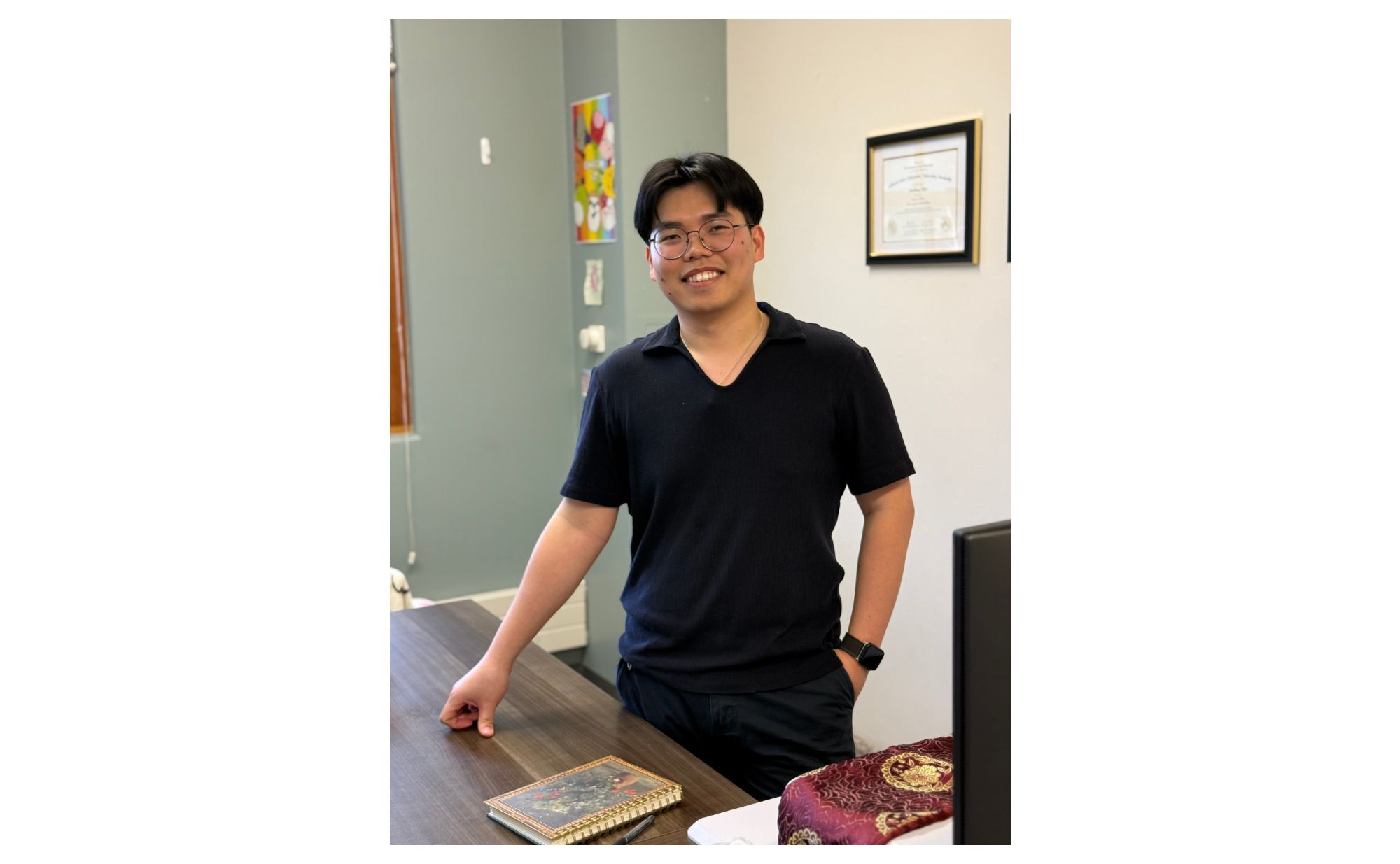
Starting this semester, the Asian, Desi, Pacific Islander, Middle Eastern, and North African (ADPI+MENA) organization on campus has officially become a cultural center following the hiring of its first coordinator.
After advocating for many years, ADPI+MENA received official recognition in 2025 through a grant from the California State University, allowing the organization to expand its resources and hire a coordinator to support its transition into a cultural center. Povheng (Heng) Yam, the newly appointed coordinator, said the position holds personal significance.
“I used to be a student staff member as well, so being the first coordinator is something I feel very proud of,” Heng said. “It took us more than two decades to become a center and have a coordinator to support it, is unbelievable to me.”
Heng is introducing a four-year structured program called the ADPI+MENA Scholar Program. The program is currently in a pilot phase this semester and is scheduled to officially launch next semester. It will focus on socio cultural, academic, and career support.
“We didn’t really get a chance to focus more on how we support students academically,” Heng said. “How do we help them graduate faster? How do we help keep them retained on campus? With the responsibilities of this position, I’m now able to spend more time developing that.”
Before receiving a coordinator, ADPI+MENA functioned as a hybrid between a club and a center, mainly hosting events like the Lunar New Year and Mid-Autumn Festival celebrations. Its first ever name recorded was ASA, the Asian Student Alliance, in the year 2000, which was when this club was first formed. It later changed to APASA, Asian Pacific American Student Alliance, in 2001, to APIC, APASA+Asian Pacific Community, in 2008. Later in 2017 it changed the name to ADPIC, Asian, Desi, Pacific Islander Collective, and finally in 2023 received its current name, ADPI+MENA.
In 2021, the advocacy for having a physical space began, and a year later, in 2022, they obtained access to Nelson Hall 215 and 216, with support and donations from other centers to furnish the place. After Ravin Craig, the interim dean of students, applied for a CSU grant in 2025, the center received approximately $360,000 of funding. This allowed the establishment of the ADPI+MENA center, and also becoming a part of the Centers for Inclusive Academic and Career Excellence.
Paul Michael Leonardo Atienza, assistant professor in Critical Race, Gender, and Sexuality Studies, volunteered as an advisor for ADPI+MENA while it was still a student club, beginning in fall 2022.
“We applied for this, and we are working with each of the different program coordinators to support the advising needs for this particular group,” Atienza said. “Now that I am this official faculty fellow in advising, I am more asked to help co-create programs like the scholar program that Heng had discussed.”
For Sean Masuda, head of the student staff at ADPI+MENA, Masuda said that due to the lack of diversity, cultural centers are essential for students to connect and share their cultures.
With the arrival of a new coordinator, he believes the organization will be able to expand its focus and impact.
“I think it’s going to help us a lot,” Masuda said. “Previously, we operated without a coordinator, and as we were transitioning from a club to more of a cultural center, which we are now, the coordinator will help with financial operations, as well as running programs and providing resources for students.”